Nationwide coverage
Our cities
Vetted local photographers in twenty US cities and destinations. They know which hour a place is still empty, and what the permit actually costs.
20 cities
Search a city
New York
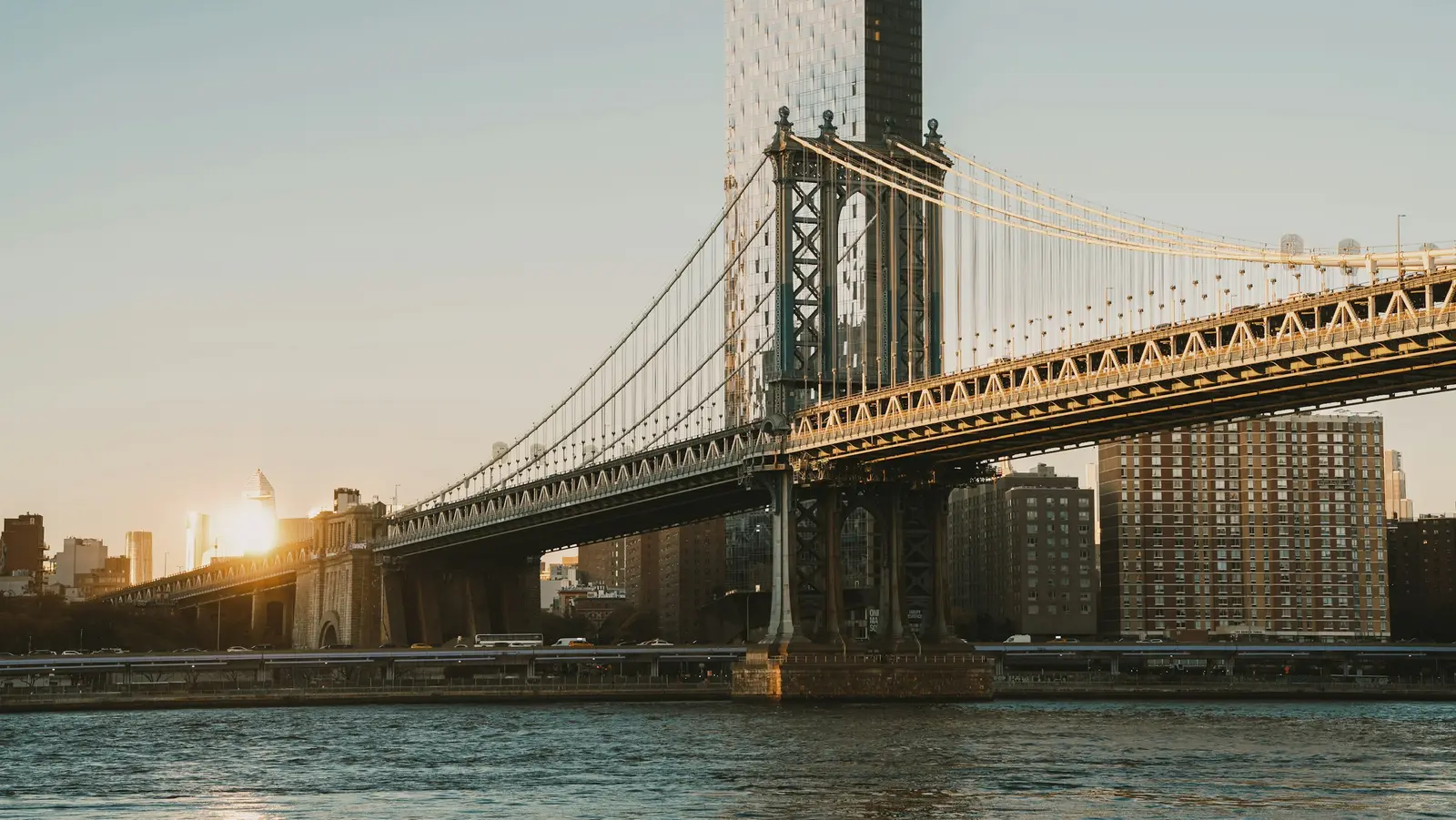
New York rewards early starts more than any other city in this catalogue. The Brooklyn Bridge is a private walkway at six in the morning and an unusable crowd by nine; Washington Street in DUMBO — the one frame everybody comes for — has a queue of tripods from eight onward and a clear street before seven. Nothing about the city changes to accommodate a photograph, so the session is planned around the hour instead. The permit picture is simpler than its reputation. The Mayor’s Office of Media and Entertainment does not require a permit for handheld shooting on a sidewalk that does not assert exclusive use of the space. Set down a tripod, bring lighting, or hold a spot, and you need one — free of charge, but conditional on a million dollars of general liability insurance, which is the part that separates working photographers from everyone else. City parks are a separate authority again with a separate application. What that means in practice: most portrait, engagement and family work here happens handheld and needs nothing. It is worth knowing which side of the line you are on before you are standing on Washington Street at seven in the morning explaining yourself.
Explore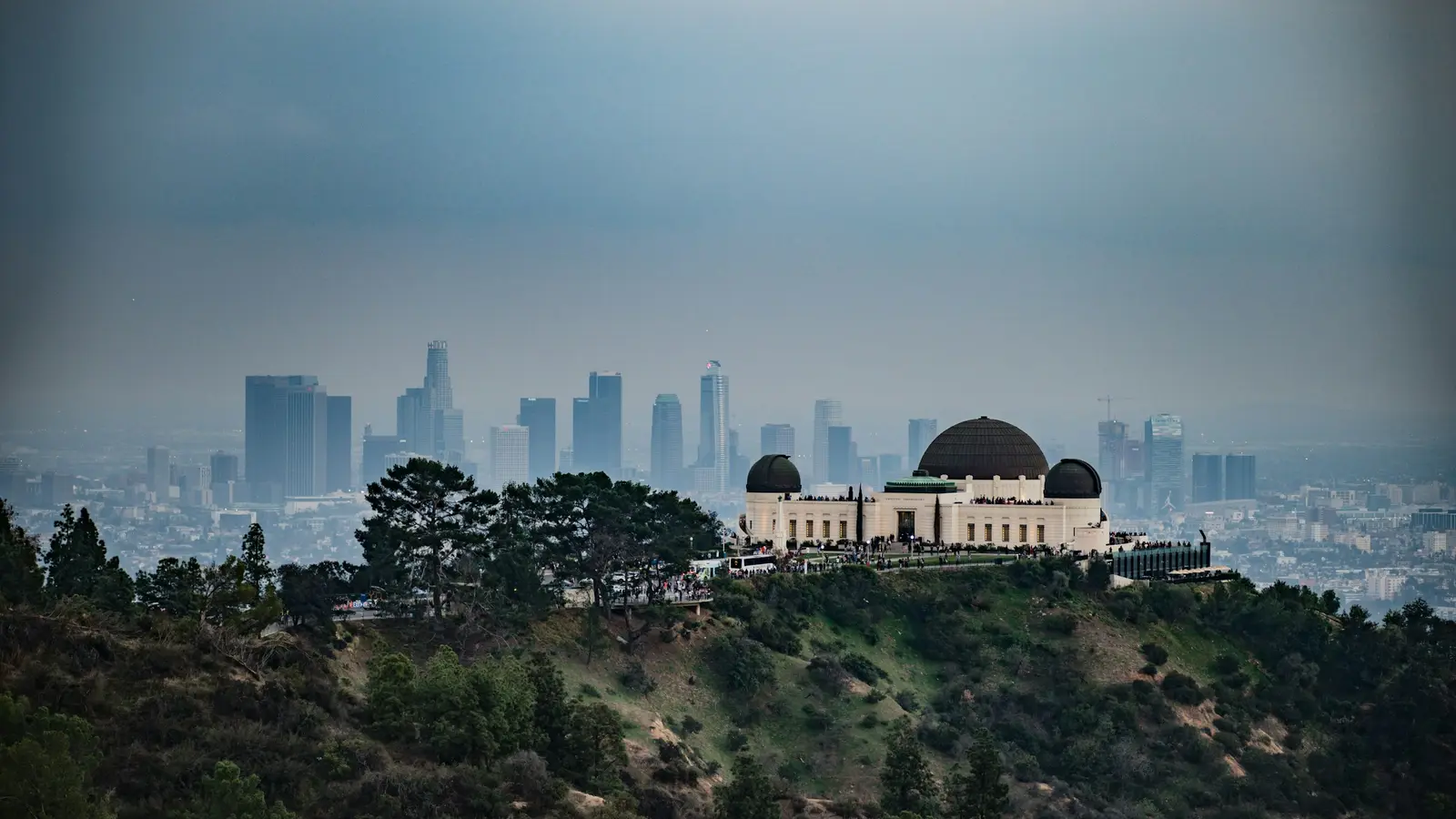
Los Angeles
Los Angeles is not one market. A headshot in Burbank, a branding session in Silver Lake and an engagement shoot at El Matador are three different cities with three different hours, and the thing that decides what is possible in a session is not the camera but the 405. A two-location booking here means choosing two places within about twenty minutes of each other, and a photographer who knows which twenty minutes. The permit picture is unusually clear for a city this size, because FilmLA administers it for both the City and the County and publishes its rates. Still photography on public property needs a permit. The exceptions worth knowing are that many of the most-photographed locations are not city property at all — state beaches answer to California State Parks, the Getty and the Walt Disney Concert Hall are private, and Griffith Observatory has its own rules on top of the Department of Recreation and Parks. What the city gives you in exchange is reliability. From May to October there is essentially no weather, the marine layer burns off on a schedule you can plan around, and the sun sets over water every single evening.
Explore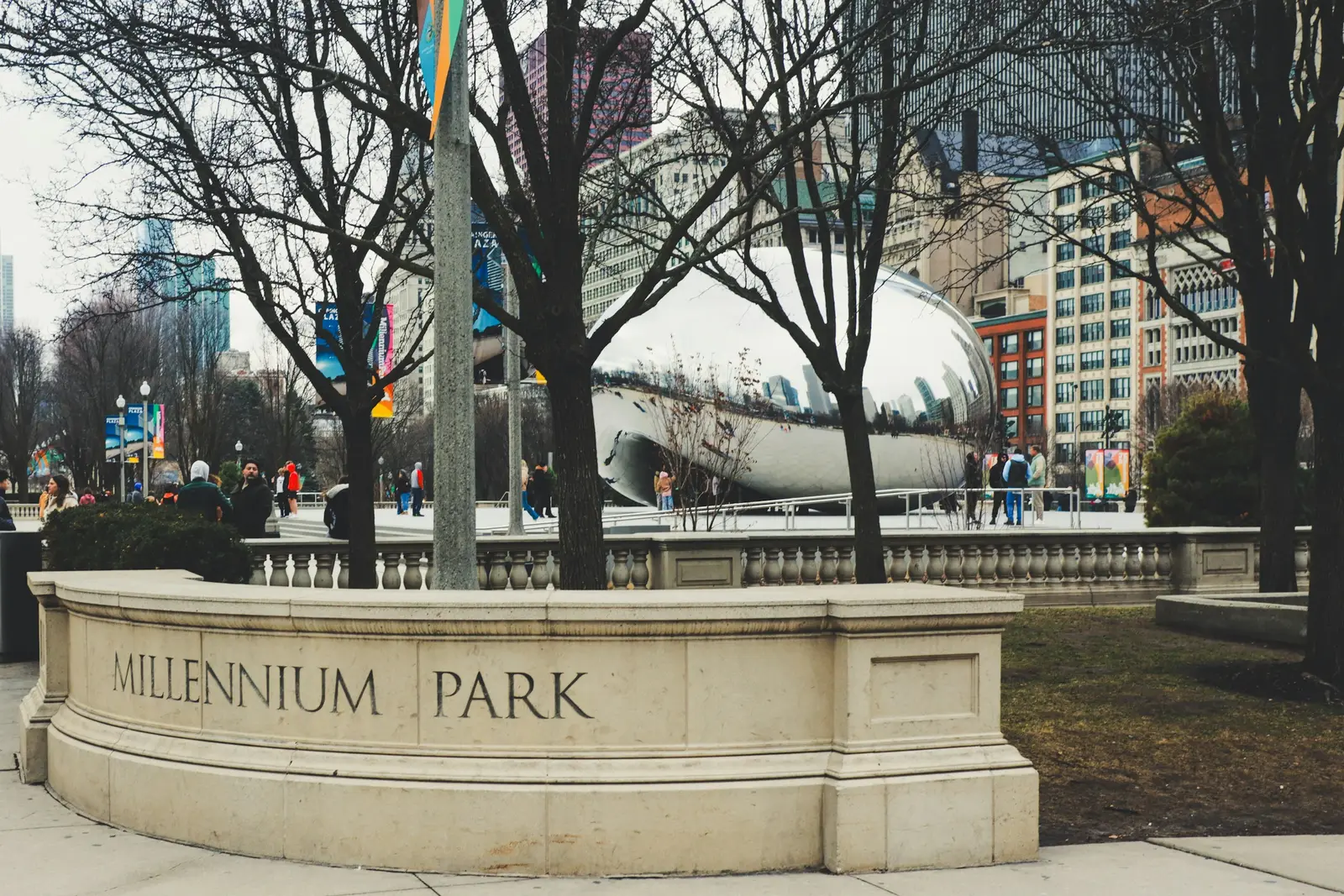
Chicago
Chicago has something no other American city has: a downtown of real architectural ambition sitting directly on an inland sea, photographed from a public beach two minutes from it. North Avenue Beach at sunrise gives you the full skyline across water with nobody in it, and it is a fifteen-minute drive from the Loop. The permitting splits cleanly and it is worth knowing which half you are in. Streets and sidewalks are the Chicago Film Office. Anything inside a park — which includes the lakefront, Millennium Park, the conservatories and most of the good locations — is the Chicago Park District, a separate authority with a separate application and its own fees. Millennium Park adds a third layer: Cloud Gate is a copyrighted sculpture, and commercial use of its image is a permission question rather than a permit question. The seasonal split here is sharper than anywhere else in this catalogue. Outdoor work runs May to October and is genuinely excellent; November to March is studio, interior and architectural work, and pretending otherwise produces cold, unhappy photographs.
Explore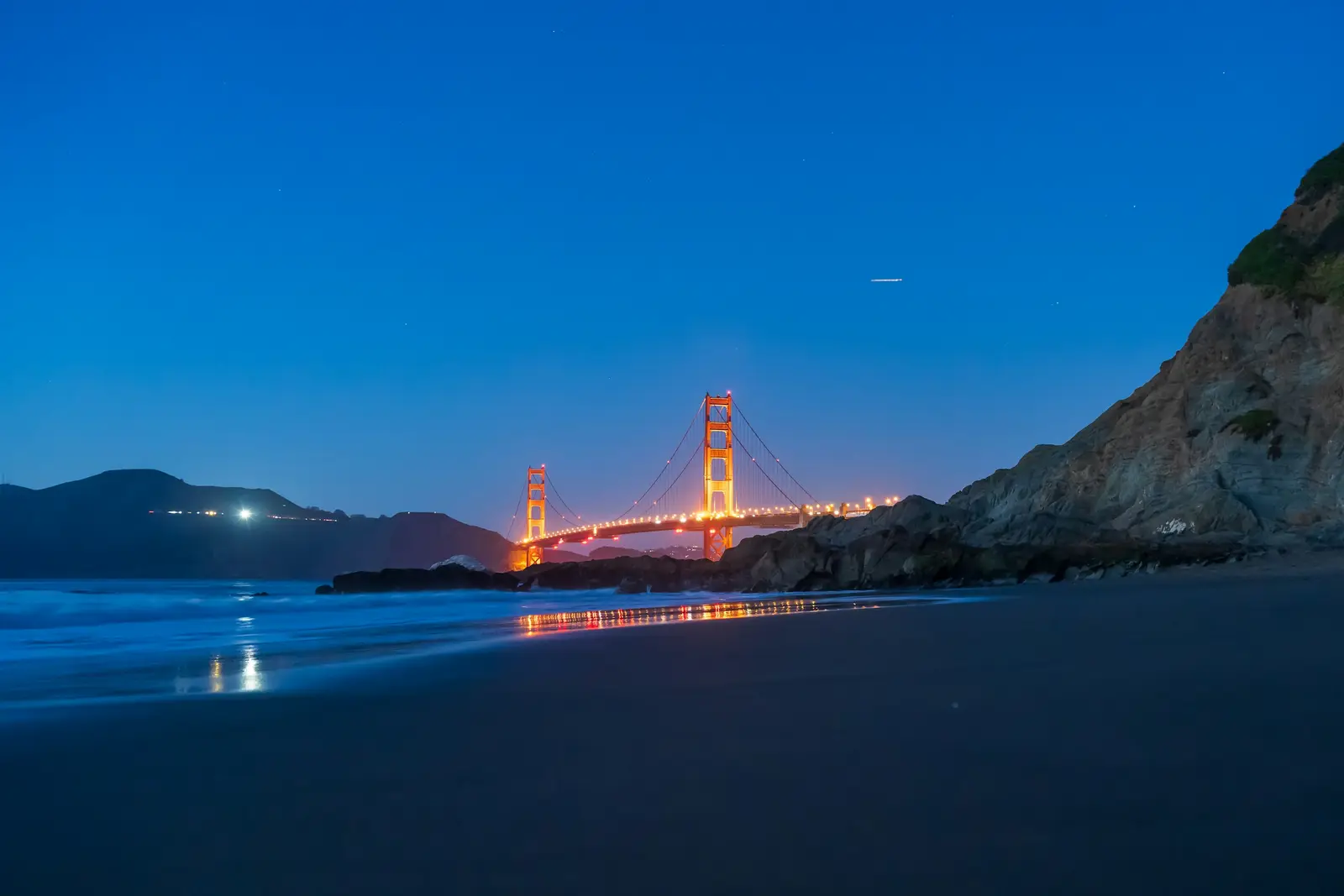
San Francisco
San Francisco is the only major American city where a fifteen-minute drive changes the weather completely. It can be flat white overcast at Ocean Beach and full sun in the Mission at the same hour on the same afternoon, and knowing which is which on a given day is most of the skill of photographing here. The fog is not a hazard to be worked around — it is the best portrait light in the state, and the sessions that go wrong are the ones that fought it. The permitting here has a wrinkle that catches almost everybody. A large share of the most-photographed ground in this city is not city property: the Golden Gate Bridge approaches, Baker Beach, Marshall’s Beach, Lands End, Crissy Field and the Marin Headlands are all Golden Gate National Recreation Area, administered by the National Park Service. City parks — Alamo Square, the Palace of Fine Arts, Golden Gate Park — answer to San Francisco Recreation and Parks, a completely separate permit. Getting one does not cover the other. The practical upshot is good news more often than not: NPS does not require a permit for still photography in areas open to the public that uses no models, sets or props, so a handheld engagement session at Baker Beach is generally fine. A ceremony at the same spot is a Special Use Permit.
Explore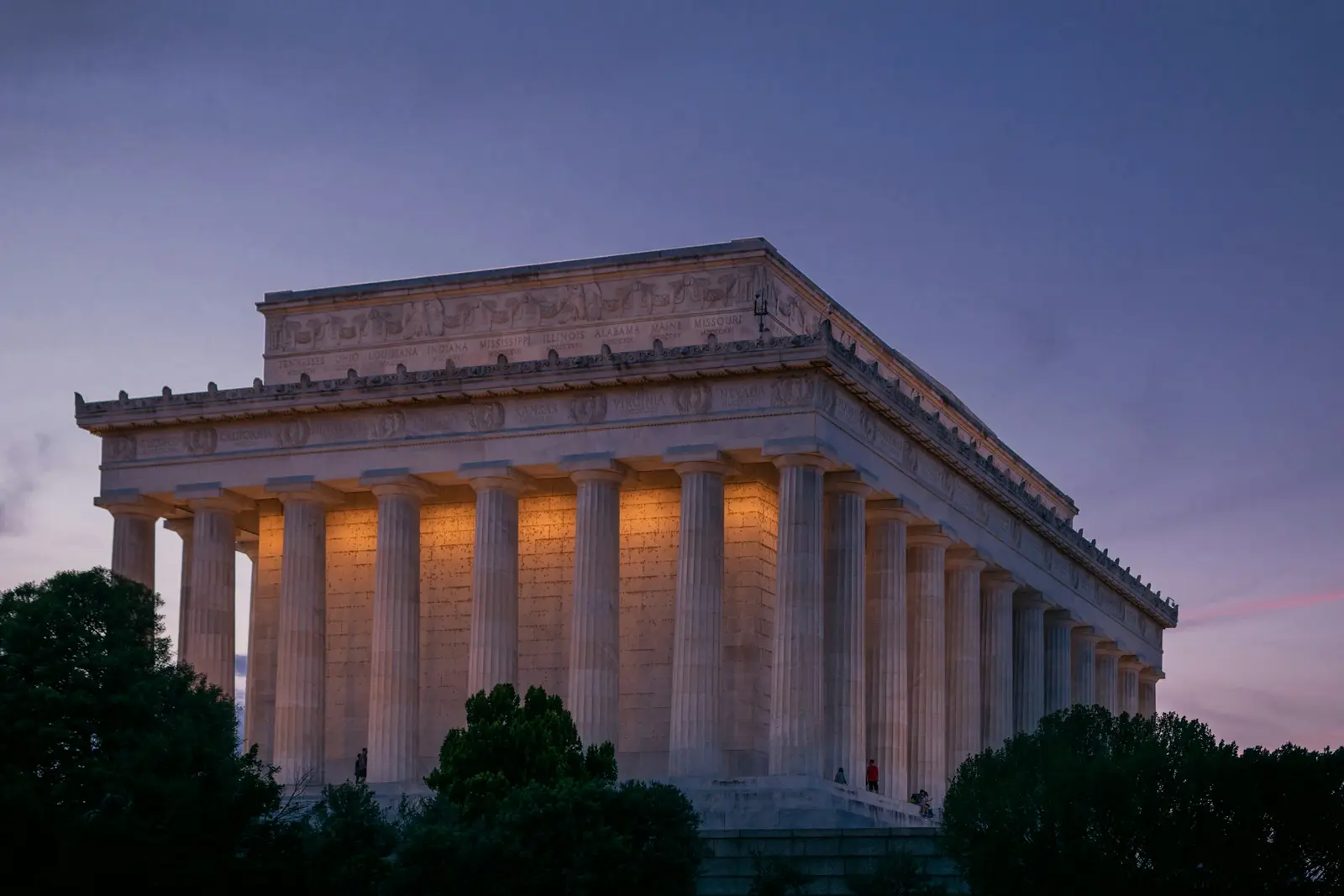
Washington, DC
Washington is unusual in that its monumental core was designed for the view. The sight lines are deliberate, the scale is consistent, and the marble takes warm light better than any other building material in any city in this catalogue. What that produces is a place where a session needs almost no scouting and a great deal of timing. The legal picture is simpler than people expect and it saves real money. The National Mall, the memorials, the Tidal Basin and Rock Creek Park are National Park Service land, and NPS does not require a permit for still photography that happens in areas open to the public without models, sets or props. A graduation portrait in a cap and gown at the Lincoln Memorial falls comfortably inside that. A styled shoot with furniture does not, and a wedding ceremony needs a Special Use Permit regardless. The two places that fall outside it are worth naming: the United States Capitol grounds are administered by the Architect of the Capitol, not NPS, and have their own rules; and the interiors of most museums have their own policies entirely.
Explore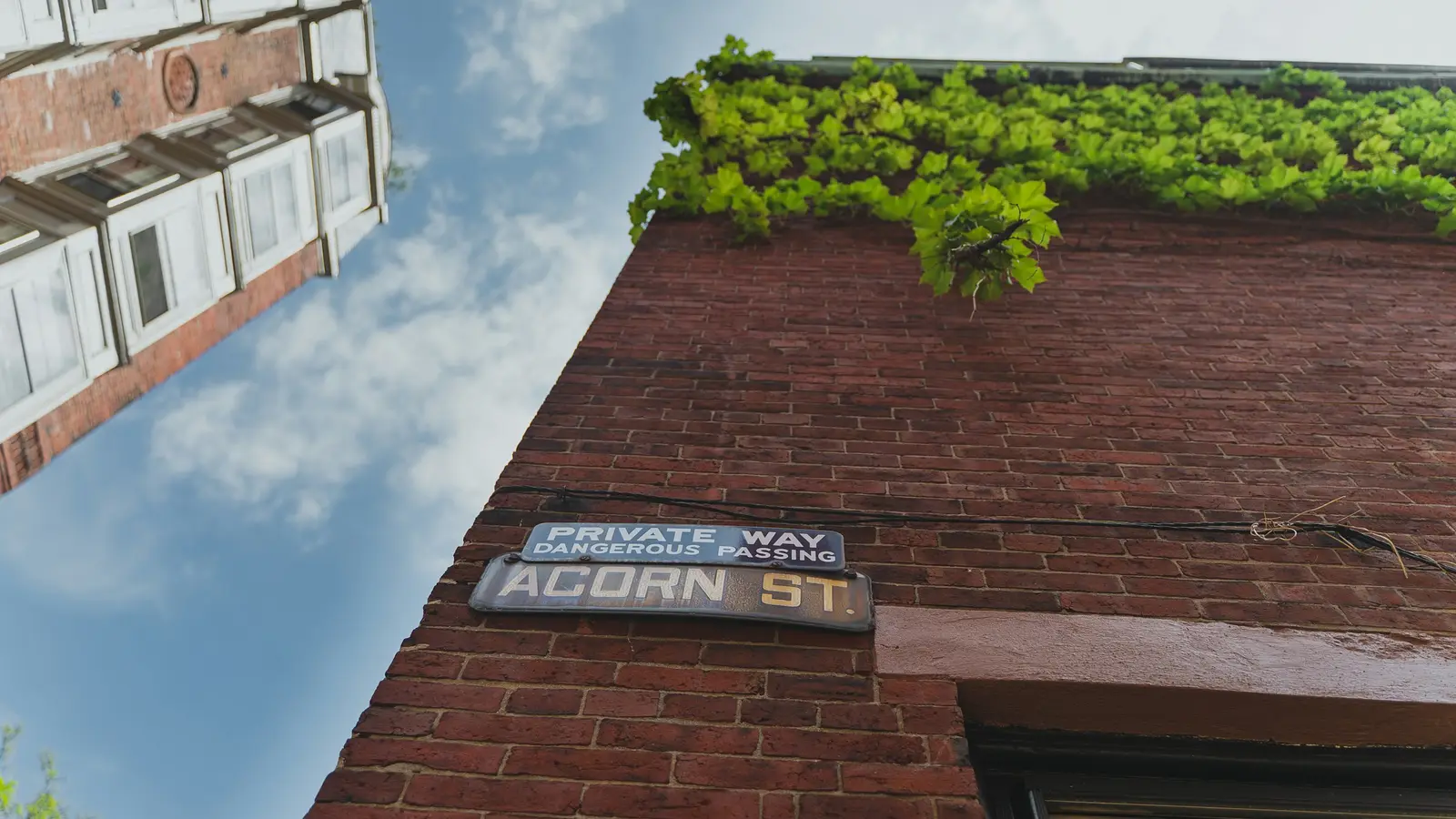
Boston
Boston’s photographic calendar is set by academic terms rather than by weather. Commencement season runs from the first week of May through early June and involves a scale of graduation portraiture that no other American city matches at this density — Harvard, MIT, BU, Northeastern, BC and thirty more inside a half-hour radius. December adds a second, smaller wave. If you want campus photographs in those weeks, book months ahead; if you want a quiet campus, avoid them entirely. The city itself is compact in a way that is genuinely useful. Beacon Hill, the Public Garden, the Esplanade and Back Bay are within a twenty-minute walk of each other, so a two-location session here does not lose half its time to transit — which makes Boston one of the best-value markets in this catalogue for anything with a fixed session length. Campus access is the thing to check rather than assume. Most of these universities are private property, several require permission for professional photography on their grounds, and a few restrict it to affiliates. It is worth confirming before the morning of a graduation shoot.
Explore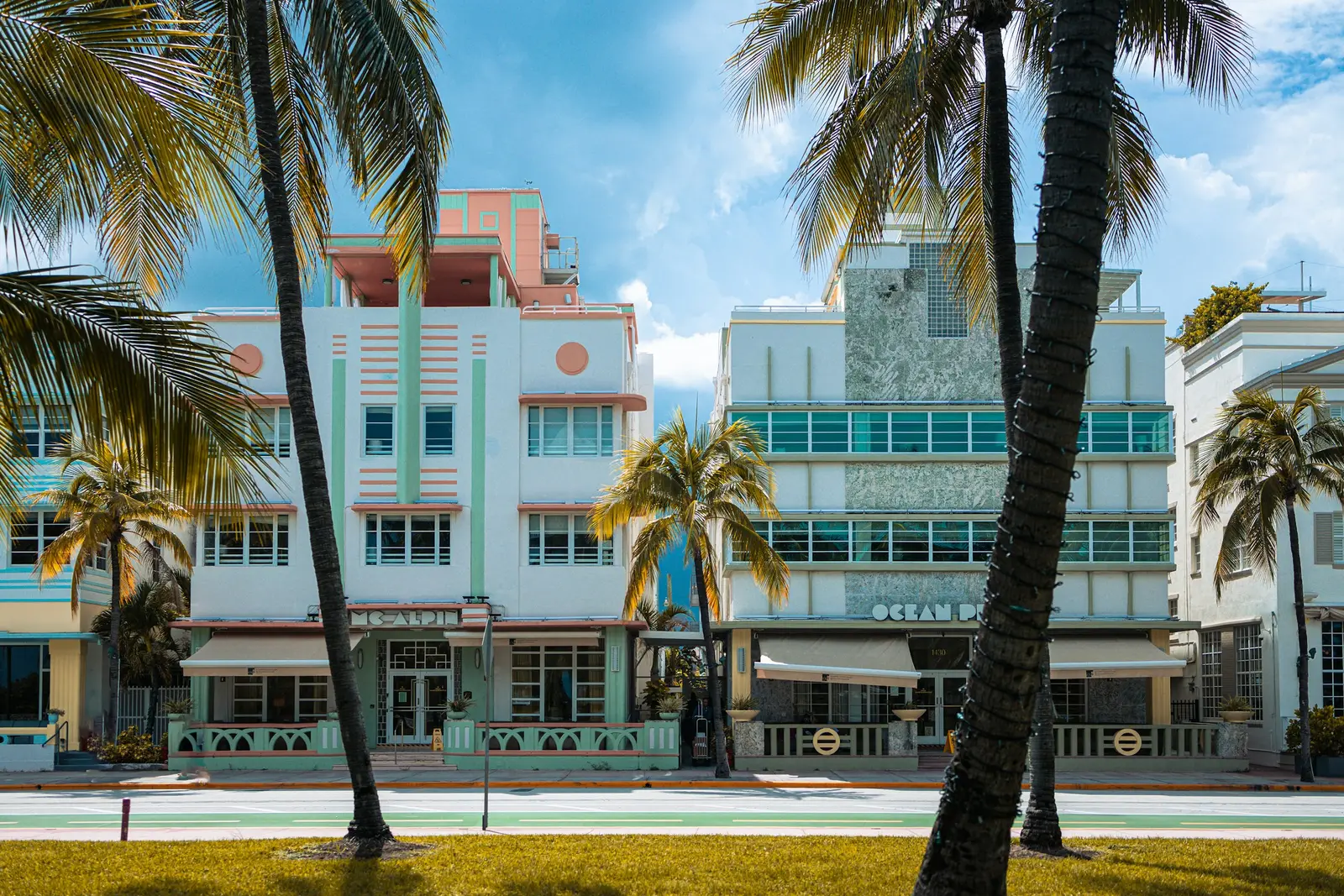
Miami
Miami gives a photographer more saturated colour than any other city in this catalogue and less usable midday light. The Art Deco facades on Ocean Drive, the murals in Wynwood and the water off Key Biscayne are all genuinely as vivid as they look; what is not obvious from the photographs is how brutal the sun is between ten and four for eight months of the year. Work happens at the ends of the day here, and that is not a stylistic preference. It is also the most bilingual market on this site, and the one where WhatsApp is genuinely the default way people arrange things rather than a fallback. Quinceañera, engagement and family work all run in Spanish as often as in English. The permitting is fragmented because the region is many small municipalities rather than one city. Miami Beach has its own film and photography office and enforces it on Ocean Drive and Lummus Park. The City of Miami is separate. Miami-Dade County parks — Crandon, Matheson Hammock, Bill Baggs — run their own scheme again, and Bill Baggs is a Florida State Park on top of that.
Explore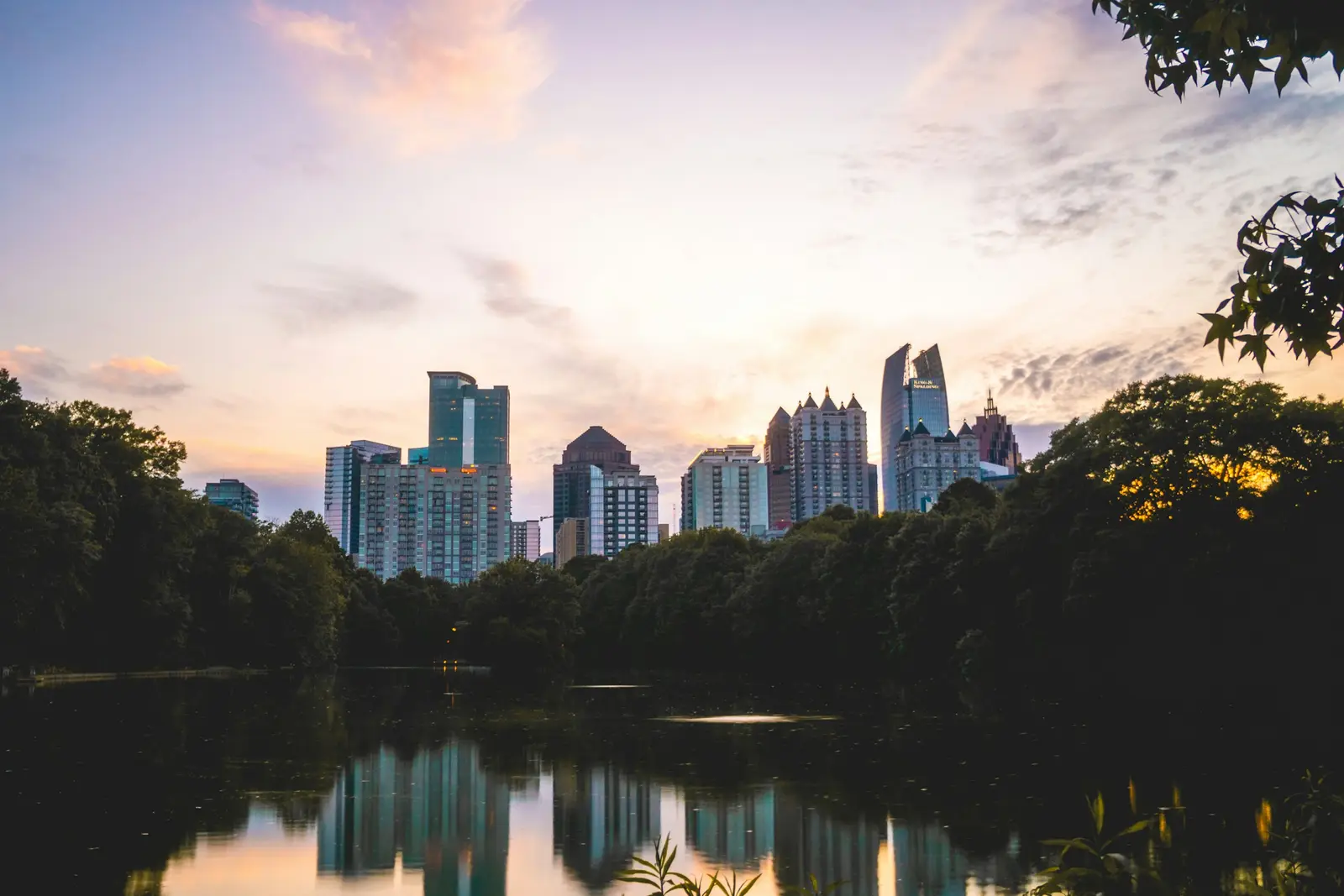
Atlanta
Atlanta has more tree cover than any other major American city, and it changes how the work is done here. Under a canopy the light is filtered and even for most of the day, which means sessions are not confined to the two hours at either end the way they are in Dallas or Phoenix. A midday family session in Atlanta is genuinely workable, and that is rare. This is also one of the densest photography markets in the country, driven by three things at once: senior portraits at a volume that rivals Dallas, an HBCU graduation season with real cultural weight behind it, and a corporate base that keeps headshot work steady all year. The permit detail that catches people is Piedmont Park. It is not city-run — it is managed by the Piedmont Park Conservancy, which requires a paid photography permit for any professional session, enforces it, and is the single most-booked outdoor location in the city. The Atlanta BeltLine, which runs past it, does not require one. Knowing which side of that line you are standing on is worth the fee.
Explore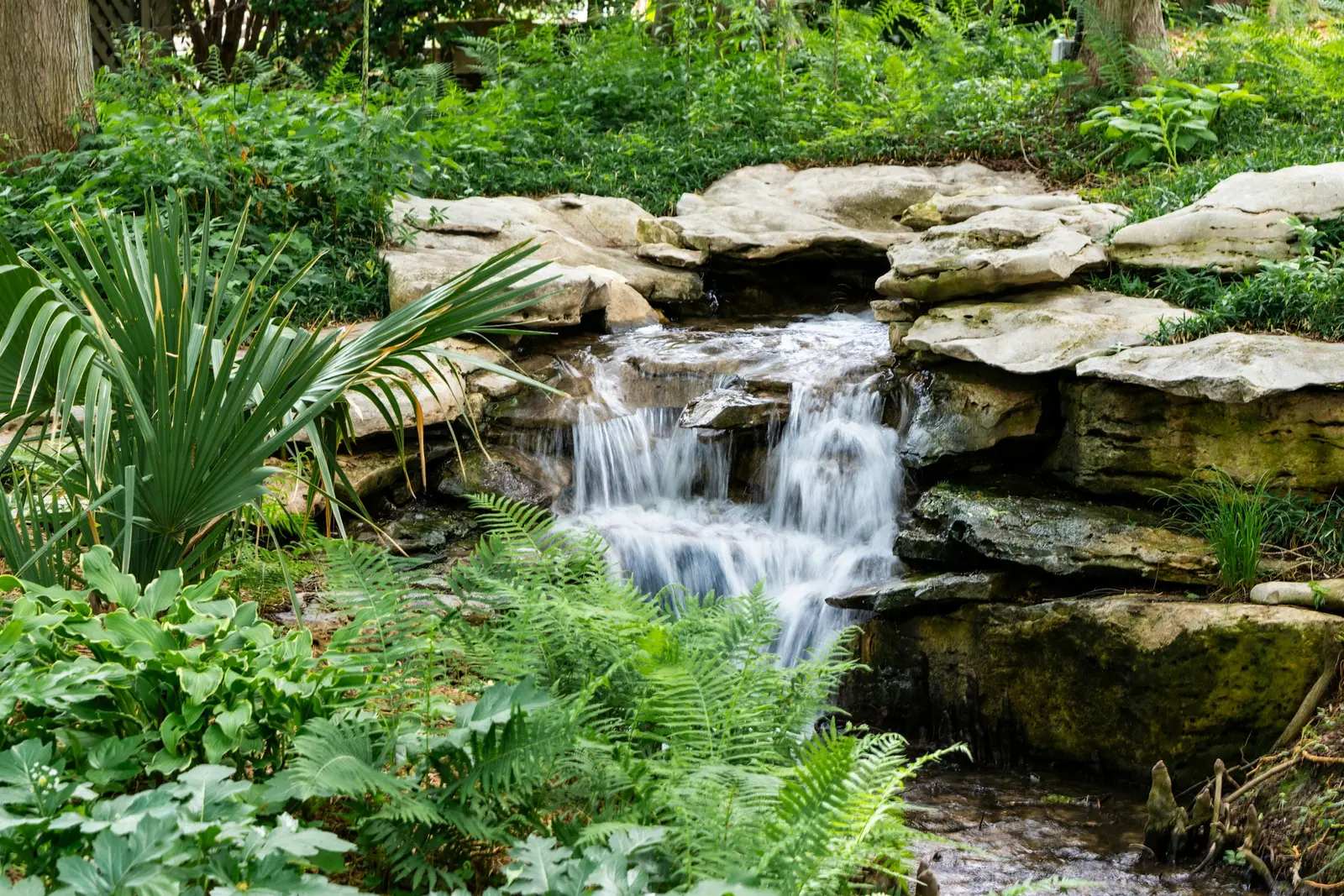
Dallas–Fort Worth
Dallas–Fort Worth is two cities and about forty suburbs sharing one airport, and any session here begins with a geography question. Fort Worth’s Stockyards and Cultural District are forty minutes from downtown Dallas in no traffic and ninety at five o’clock; Plano, Frisco and Southlake are their own markets with their own venues. Travel is quoted honestly rather than assumed. The volume here is real. This metroplex produces senior portrait and wedding work at a scale matched only by Atlanta and Los Angeles, and the corporate base in Plano and Las Colinas keeps headshot demand steady through the year. What shapes the calendar is heat. From June through September the sun is high and unrelenting and there is very little tree cover outside the older neighbourhoods, so outdoor sessions compress into the forty minutes after sunrise and before sunset. The compensation is bluebonnet season: for roughly three weeks from late March the roadsides across North Texas go solid blue, and it is the single most-requested backdrop in the state.
Explore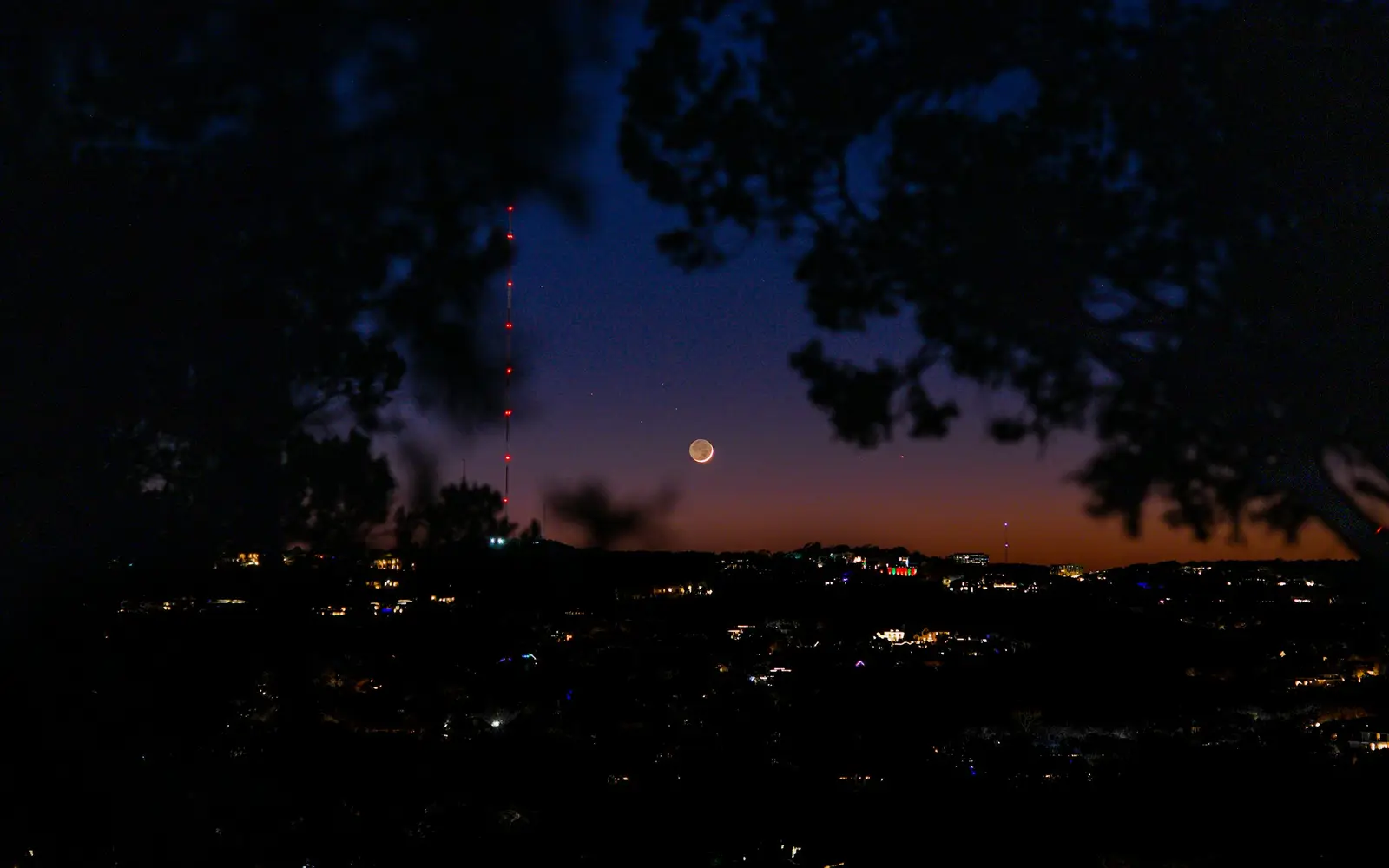
Austin
Austin sits on the edge of the Hill Country, and that geology is what makes it photograph differently from the rest of Texas. Spring-fed creeks run clear over white limestone, cypress trees line the water, and thirty minutes west of downtown the land starts to fold. It gives a session here a range of backdrops that Dallas and Houston simply do not have. The market has shifted fast. Austin’s growth has made it one of the strongest personal-branding and creator markets in the country, sitting alongside a well-established wedding scene in the Hill Country venues west of the city. The practical constraints are two. Heat, from June through September, is severe and unshaded — sessions run at the ends of the day. And popular natural locations now ration access: Hamilton Pool requires a reservation made well in advance and closes on short notice after rain, and Barton Springs fills early on any warm day.
Explore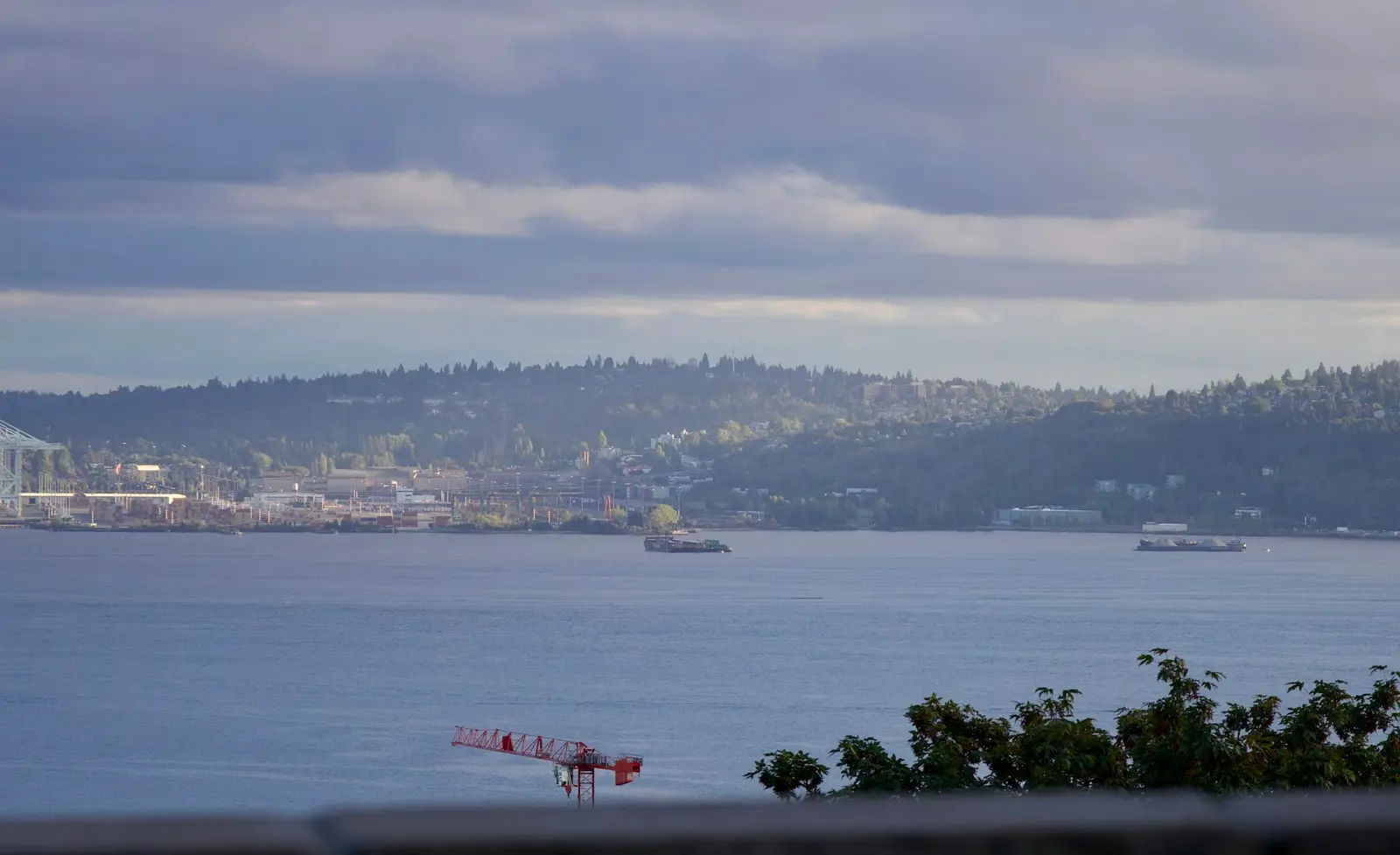
Seattle
Seattle has the best portrait light of any city in this catalogue and the worst reputation for it, and both facts come from the same weather. The overcast that sits over the Puget Sound from October to May is a diffuser the size of the sky: no harsh shadows, no squinting, colours deep and saturated, and it holds all day rather than for an hour at each end. Photographers who move here stop planning around golden hour within a year. What the clouds take away is the mountain. Rainier is a hundred kilometres south and visible on maybe a third of days, and every visitor wants it in the frame. It cannot be promised, which is why sessions are planned to work without it and to take it when it appears. The other half of this market is the elopement funnel. Mount Rainier National Park and the North Cascades are within two to three hours, and both are National Park Service land, which means a ceremony requires a Special Use Permit applied for months in advance while a handheld portrait session in a public area generally does not.
Explore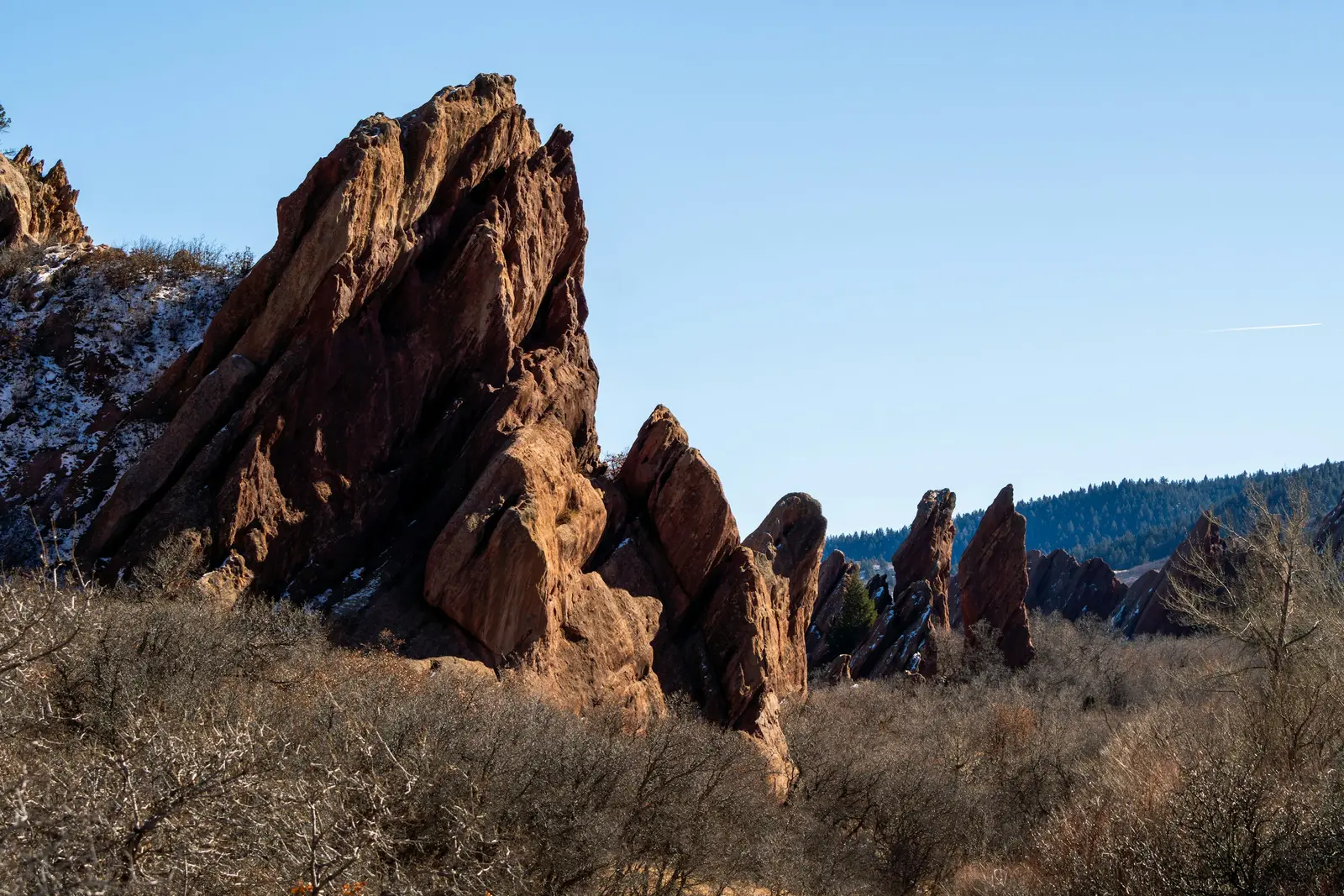
Denver
Denver itself is flat, open and sunlit, and the mountains start twenty minutes west of it. That geography is the whole market: the city supplies the corporate and family work, and the Front Range supplies the elopements that people fly in for. Altitude changes the light in ways that catch photographers who have not worked at elevation. The air is thinner, so shadows are harder, the sky photographs deeper blue, and ultraviolet haze at distance is stronger than it looks. The practical effect is that midday is less usable here than the sunshine statistics suggest, and the hour after sunrise is exceptional. The permit landscape has three layers and they matter. Denver Parks and Recreation requires a paid permit for professional photography in city parks. Red Rocks, which is city-owned but administered separately, has its own fee schedule and restricted hours. And Rocky Mountain National Park — ninety minutes north-west — is National Park Service land, where a handheld portrait session in a public area needs no permit but a ceremony needs a Special Use Permit and the popular sites are capped per day.
Explore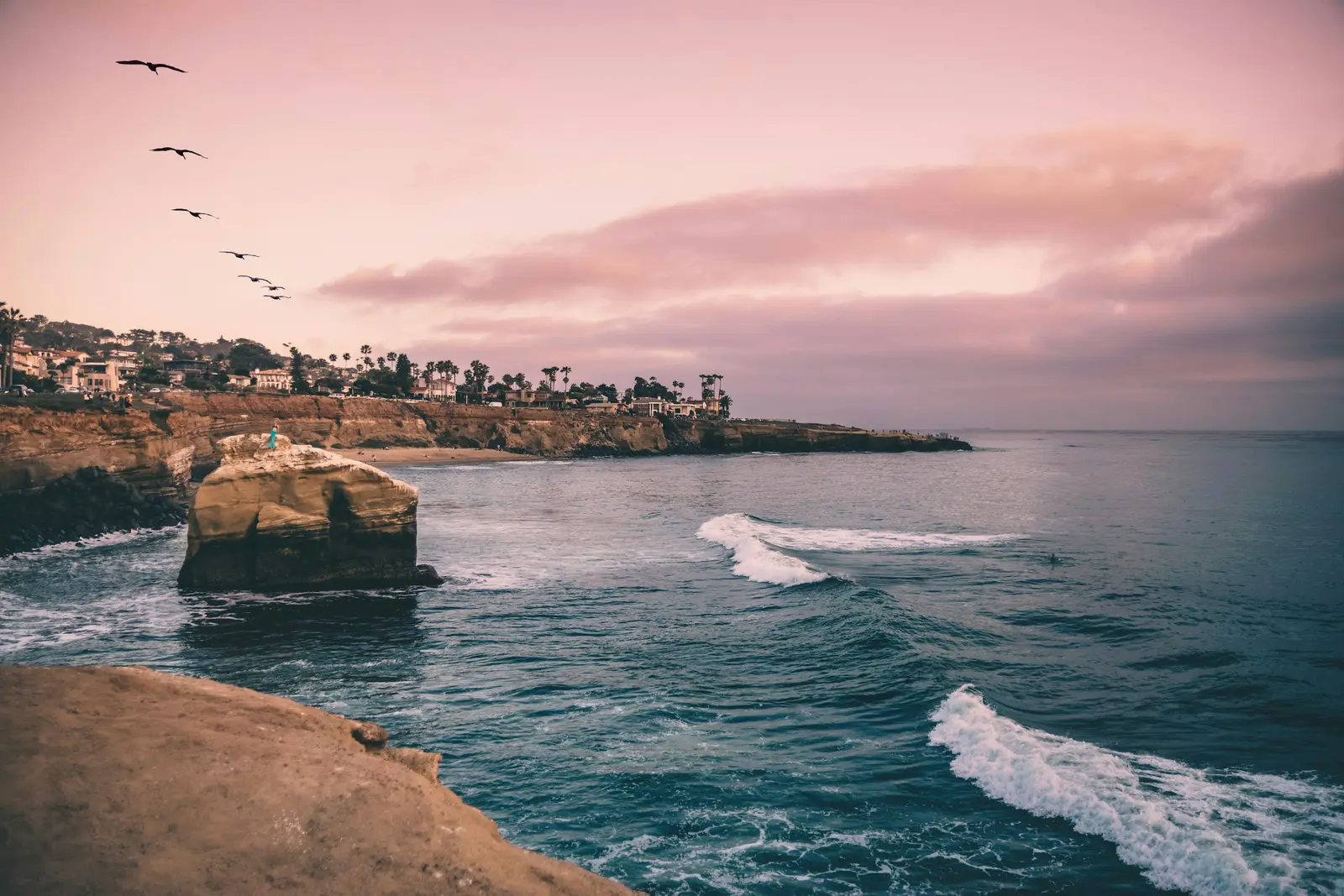
San Diego
San Diego is the easiest city in this catalogue to photograph in, and that is its defining feature rather than a throwaway compliment. Daytime temperatures move within a narrow band all year, rain is rare outside a short winter season, and the coastline faces west so every evening ends over water. There is no bad season here, which means no rush and no premium week. The market has a shape the weather does not explain. This is a large military city, and homecoming, deployment and promotion photography is a real and constant category. Alongside it sits year-round beach family work, a strong vacation-session market, and the Balboa Park architecture that makes the city look like nowhere else in California. Tides matter more here than in any other city on this list. Sunset Cliffs and the La Jolla tide pools are largely inaccessible at high water, so a coastal session is scheduled against a tide table rather than only against sunset.
Explore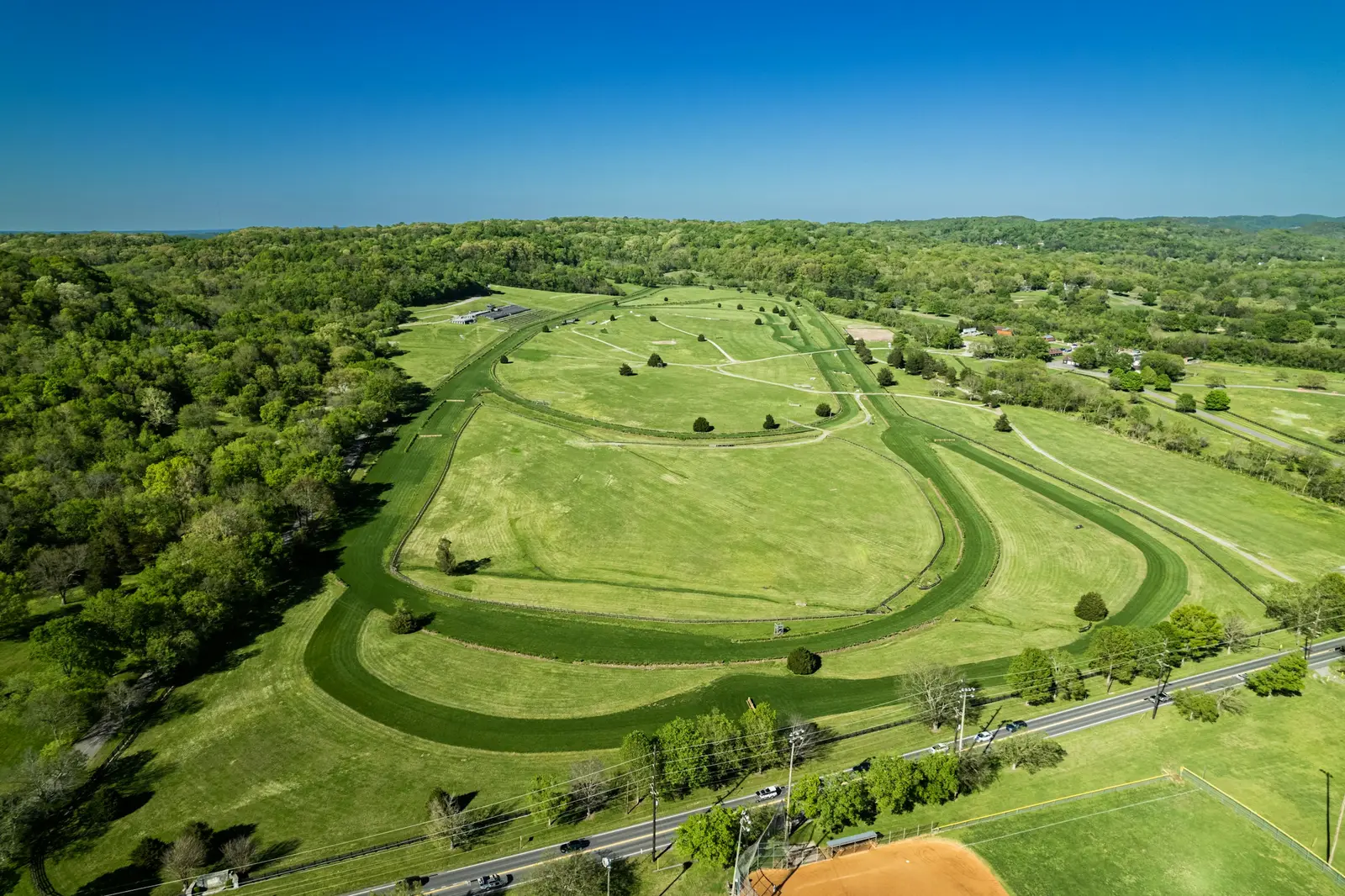
Nashville
Nashville acquired a photography market that did not exist fifteen years ago. The bachelorette weekend here is now a genuine industry, and with it came a specific kind of booking: a group of eight to twelve people, ninety minutes, three mural walls and a rooftop, delivered fast enough to post before the weekend ends. It sits alongside a serious wedding market and a music-industry portrait business that has always been here. The murals are the thing to understand about working here. The Gulch wings, the Nashville mural on 12South, the Draper James wall — these are private property and several of the most popular have restricted or prohibited commercial photography as the crowds grew. They also change: a wall photographed last spring may be painted over. Scouting is not optional in this city. Outside downtown the landscape is limestone bluff and hardwood forest. Percy Warner Park and the Natchez Trace bridge are twenty minutes from Broadway and look nothing like it.
Explore
Las Vegas
More weddings happen in Clark County than anywhere else in America, and the reason is administrative rather than romantic: Nevada requires no waiting period and no blood test, the marriage licence bureau is open late, and a couple can arrive in the afternoon and be married the same evening. Everything else about the market follows from that. What visitors consistently miss is the landscape. Twenty minutes west of the Strip, Red Rock Canyon is a thirteen-mile escarpment of Aztec sandstone under the Bureau of Land Management. An hour north-east, Valley of Fire is a Nevada state park of red rock formations that photograph like nothing else in the country. The neon is available at midnight; the rock is the reason to come at dawn. Heat is the real constraint and it is not a matter of comfort. From June through September, daytime highs sit between 105 and 115°F, ground temperatures in open desert are considerably higher, and an outdoor session in the middle of a July day is genuinely dangerous. Summer work here happens at sunrise, and the schedule is not negotiable.
Explore
Charleston
Charleston is small, and that is its advantage. The historic peninsula is walkable end to end, which means a session here moves between Rainbow Row, the Battery, a hidden alley and the waterfront without anyone getting into a car. Very few American destinations offer that. The architecture is genuinely protected and genuinely lived in. These are private homes under one of the oldest historic-district ordinances in the country, and the piazzas, gates and doorways people photograph are somebody’s front garden. The etiquette here is not decoration; a session that ignores it gets moved along. The practical factors are tide and heat. The Battery and Waterfront Park both change completely between low and high water — at spring high tide the Battery seawall takes spray and the marsh views disappear. And from June through early September the humidity is severe, which is why the wedding season here runs spring and fall and the summer belongs to visitors.
Explore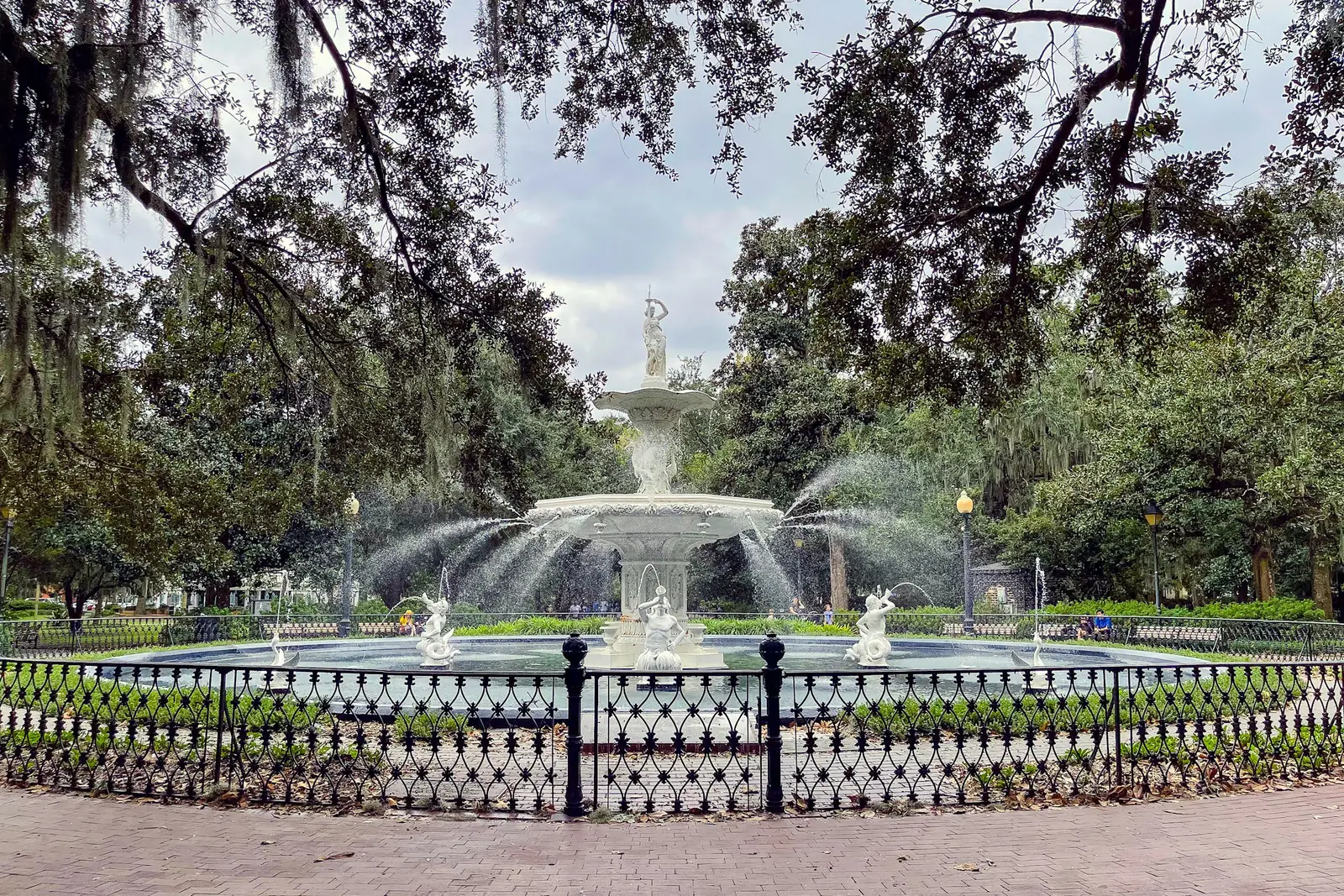
Savannah
Savannah’s historic district is a grid of squares — small public gardens at regular intervals, each surrounded by houses, each shaded by live oaks hung with Spanish moss. The effect for a photographer is unusual: filtered, even light almost anywhere in the district, almost all day, which is close to the opposite of how the rest of the American south works in summer. It is less expensive and less booked than Charleston, two hours up the coast, and the two are often considered together. Savannah has the stronger canopy and the more consistent light; Charleston has the pastel architecture and the harbour. The permitting here is specific enough to be worth stating plainly. The City of Savannah requires a permit for professional photography in the squares and parks, including Forsyth Park, and it has tightened enforcement as the market has grown. Wormsloe’s oak avenue — the image most associated with the city — is a state historic site with its own admission and its own rules.
Explore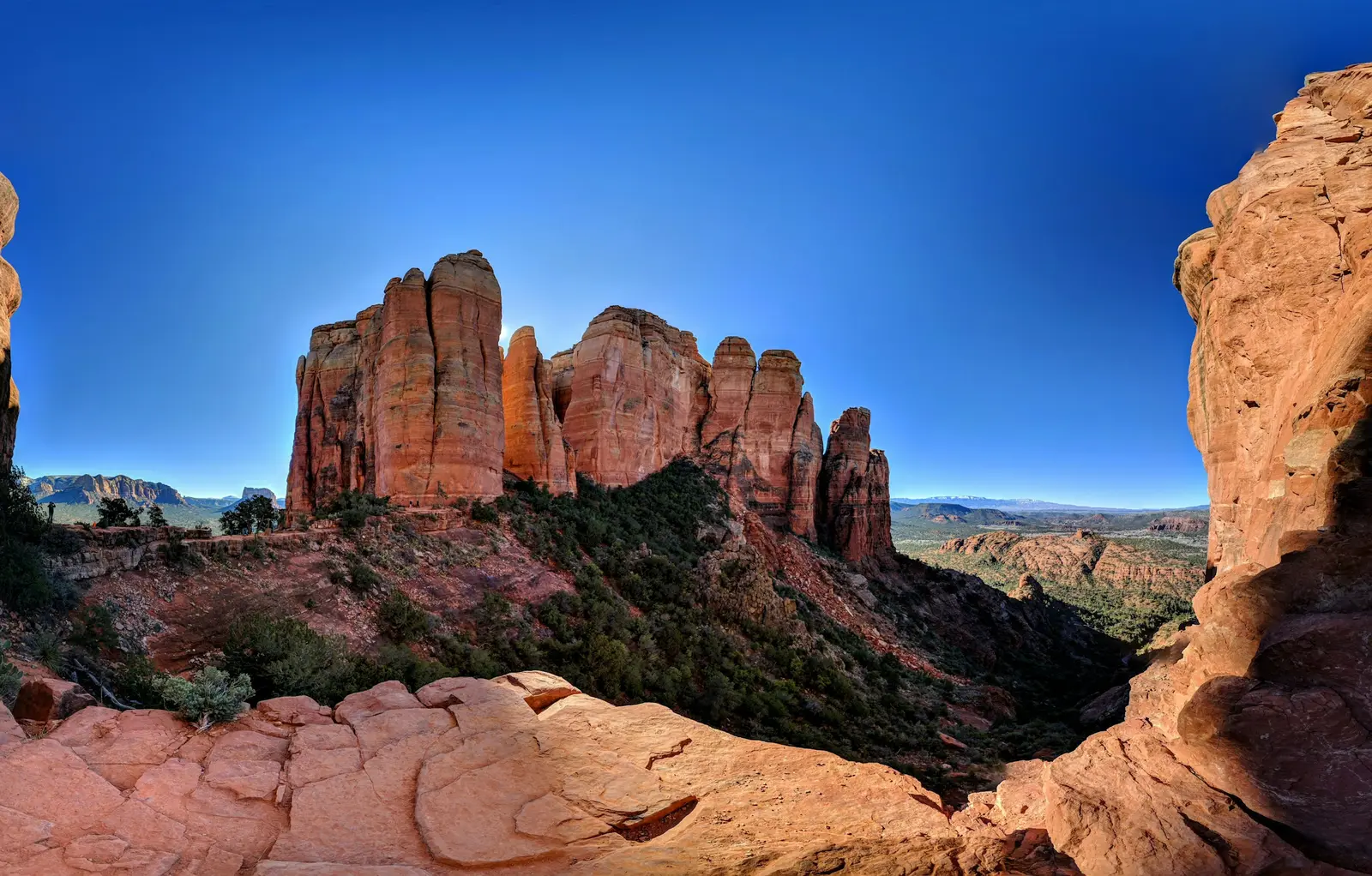
Sedona
Sedona has become the American elopement destination, and the reason is visual rather than logistical: there is nowhere else in the country where a couple can stand in open desert with three-hundred-foot red rock formations behind them in every direction, twenty minutes from a hotel. The logistics are, in fact, the hard part, and this is the single most misunderstood location in this catalogue. Almost all the land around Sedona is Coconino National Forest, administered by the US Forest Service — not the National Park Service, and not the city. That means two separate things are needed for a commercial shoot: a Red Rock Pass for parking at most trailheads, and a Forest Service special use permit for commercial photography or a ceremony. They are different authorities with different applications, and the popular ceremony sites have caps and designated locations. The other constraint is time of day, and it is severe. These canyons are deep and the walls are high, so the sun leaves the valley floor long before it sets and arrives long after it rises. The usable window at many locations is an hour, sometimes less, and it moves by weeks across the year.
Explore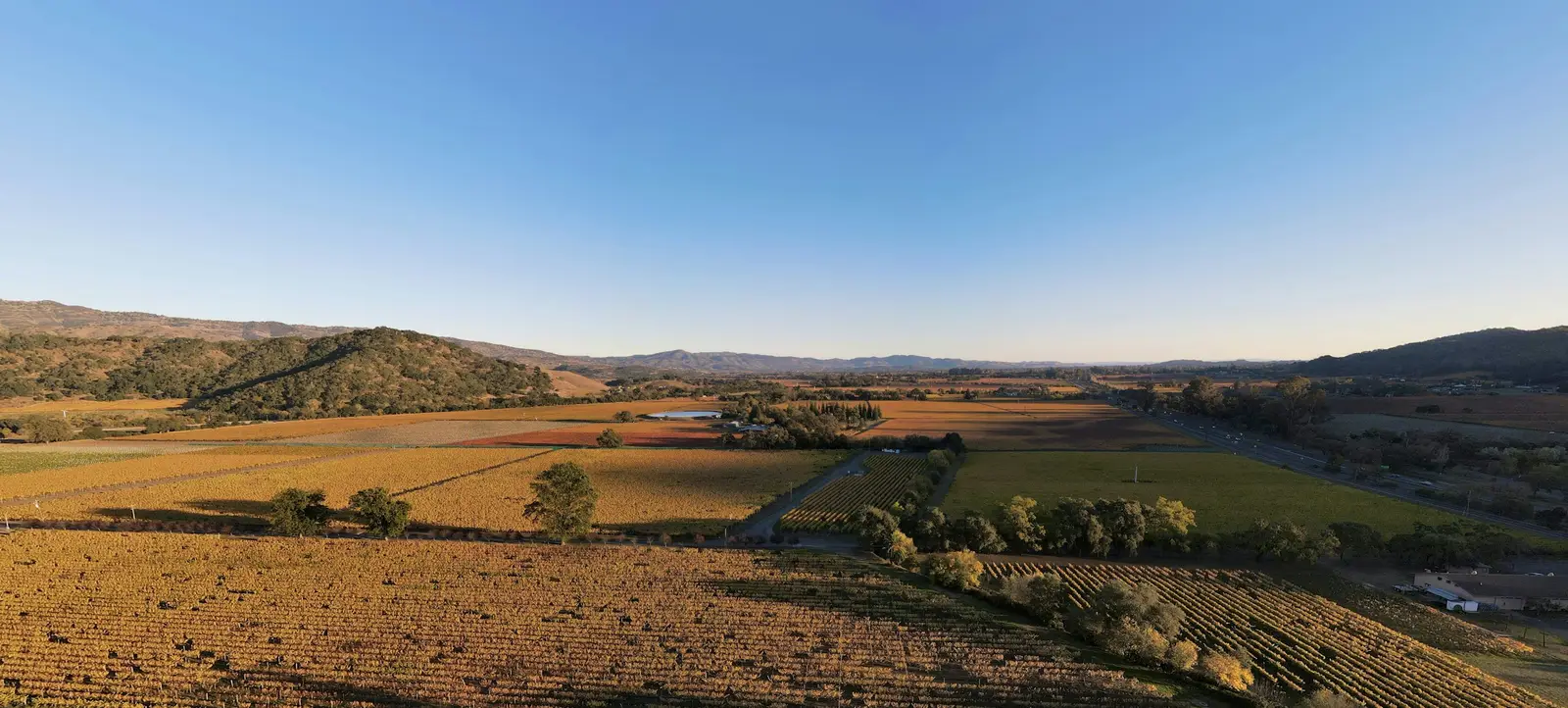
Napa Valley
Napa is a valley rather than a town, and a session here is planned around which end of it you are in. Downtown Napa, Yountville, St Helena and Calistoga are spread across thirty miles, and the character changes as you go north — flatter and more agricultural at the south end, narrower and more wooded toward Calistoga. The thing that catches people is that the vineyards are working farms, not scenery. They are private property, almost without exception, and photographing in one requires the winery’s permission. Most wineries with an events programme will arrange it and most charge a site fee; pulling over on the Silverado Trail and walking into the vines is trespassing on a crop. The second thing is the calendar. Harvest — "crush" — runs from roughly mid-August into October, and during it the wineries are working at full capacity. Access for photography narrows sharply, and the vines that turn gold and red in the photographs everyone wants do so in late October and November, after the fruit is picked.
Explore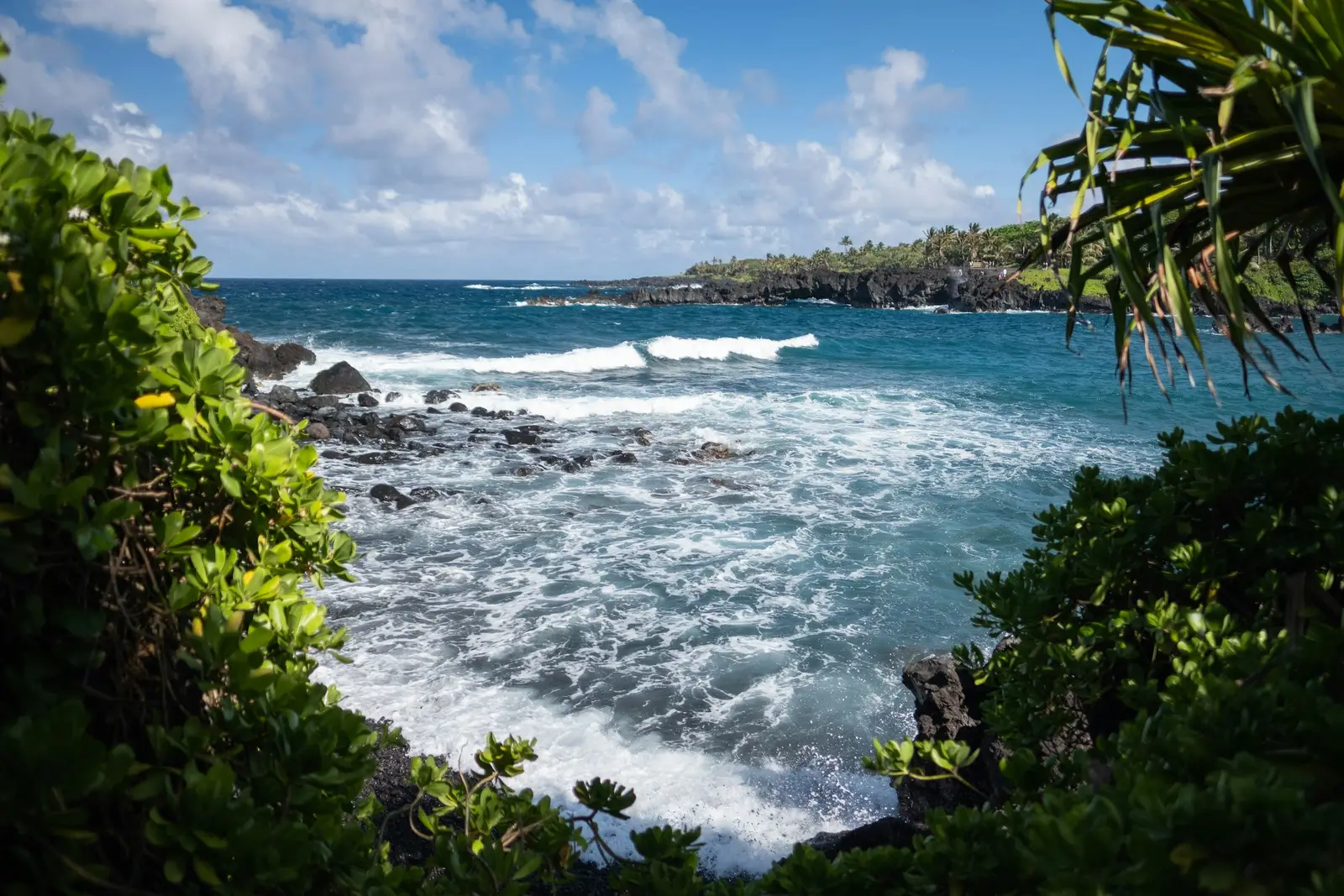
Maui
Maui compresses an improbable range into a short drive. Haleakalā rises above 10,000 feet and has its own weather; the Hāna road runs through genuine rainforest; the west and south coasts are dry and sunny almost every day. A couple can photograph above the clouds at sunrise and on a beach at sunset, and the two are ninety minutes apart. There is one rule here that surprises almost every visitor: a wedding or commercial photography on any Hawaii state beach requires a permit from the Department of Land and Natural Resources. Not a suggestion, not a local custom — a permit, applied for in advance, with conditions on group size, on structures, and on what may be set up on the sand. It is inexpensive and it is enforced. Haleakalā adds a second layer. It is a National Park, so a ceremony needs a Special Use Permit, and sunrise viewing inside the summit district requires a separate reservation released 60 days ahead and gone within minutes. That single reservation decides whether a Maui elopement is a sunrise job or a sunset one, and it has to be settled before anything else is planned.
Explore


About these places
Twenty markets, and six of them are somewhere you fly to
- 20
- 14
- 6
- None
Fourteen metros people live and work in — New York, Los Angeles, Chicago, San Francisco, Washington, Boston, Miami, Atlanta, Dallas–Fort Worth, Austin, Seattle, Denver, San Diego and Nashville — and six places people travel to in order to be photographed: Las Vegas, Charleston, Savannah, Sedona, Napa Valley and Maui. The distinction is not decorative. A metro page answers "where in my city"; a destination page answers "can we actually do this here, and what does it cost before anyone picks up a camera".
Two of the six are not cities at all, and saying so changes the page. Napa Valley is thirty miles of working farmland between two ranges, not a town — and the vineyards in every photograph are private property. Maui is an island whose best hour is at ten thousand feet, two hours from where you are sleeping. Dallas–Fort Worth is a third case: two cities and forty suburbs sharing one airport, where the honest answer to "how many locations" is a traffic question.
What each page carries is the thing a visiting photographer would not know. Which direction a viewpoint faces and therefore what hour it works. Whether the tide decides if a beach exists, as it does at Sunset Cliffs and along the Charleston Battery. And, in this country above all, who issues the permit — because the same afternoon can cross a municipal film office, a parks department and the National Park Service, three authorities that do not agree with each other and none of which publishes a plain-English summary.
Every market is covered by a photographer who works there. Each page lists the suburbs covered from it at no travel charge rather than giving them thin pages of their own, and names the nearby markets a reader here plausibly also wants — Charleston to Savannah, Denver to Sedona, San Francisco to Napa.